Introduction
In the ever-evolving landscape of healthcare, ensuring that people get detailed and high quality care is paramount. One crucial facet of this treatment includes enteral feeding, especially through Percutaneous Endoscopic Gastrostomy (PEG) tubes. This approach is essential for people who can not eat food orally as a result of numerous clinical conditions. The National Handicap Insurance Policy Plan (NDIS) identifies the importance of specialized training in this field, highlighting the requirement for skilled specialists efficient in offering efficient enteral feeding support. In this post, we will certainly explore the value of NDIS PEG Feeding Training, delve into various training courses available, and emphasize methods to enhance client treatment through better skills.
What is PEG Feeding?
Understanding PEG Feeding
PEG feeding refers to a clinical procedure that entails positioning a tube straight right into an individual's belly with the abdominal wall surface. This method makes certain that individuals that can not consume by mouth obtain the necessary nutrition.
Why Is PEG Feeding Necessary?
Patients might need PEG feeding because of conditions such as neurological disorders, strokes, or substantial surgical treatments impacting their capacity to swallow. Ensuring correct nutrition with this method can significantly enhance their high quality of life.
Benefits of PEG Feeding
- Nutritional Assistance: Supplies necessary nutrients when dental intake is not possible. Improved Hydration: Makes sure people continue to be hydrated effectively. Quality of Life Enhancement: Assists in keeping overall wellness and well-being.
The Duty of NDIS in PEG Feeding Training
What is NDIS?
The National Disability Insurance System (NDIS) is an Australian government initiative focused on offering support and services to individuals with disabilities. One essential area of emphasis is improving care standards through specialized training programs.
NDIS Standards on Enteral Nourishment Support
Under NDIS guidelines, company are motivated to use training and resources concentrated on enteral nutrition support. This consists of comprehensive education and learning on PEG feeding strategies, guaranteeing caregivers are outfitted enteral feeding training with the essential skills.
NDIS PEG Feeding Training: Enhancing Abilities for Better Individual Care
NDIS PEG Feeding Training is made to provide healthcare specialists with the understanding and skills required to take care of enteral feeding efficiently. By concentrating on best methods and evidence-based strategies, this training aims to improve individual results significantly.

Types of PEG Feeding Training Available
Enteral Feeding Assistance Course
An Enteral Feeding Support Course gives a summary of dietary requirements and sensible skills related to providing feed using a PEG tube. It covers:
- Types of enteral feeds Administration protocols Monitoring and troubleshooting
Enteral Feeding Educating for Nurses
Specialized enteral feeding training for nurses focuses on professional techniques essential for secure and efficient feed administration. This includes:
- Assessing patient needs Identifying complications Implementing best methods in care
PEG Training Programs for Assistance Workers
Support employees play a vital function in client treatment; thus, specialized PEG training courses equip them with vital understanding about:
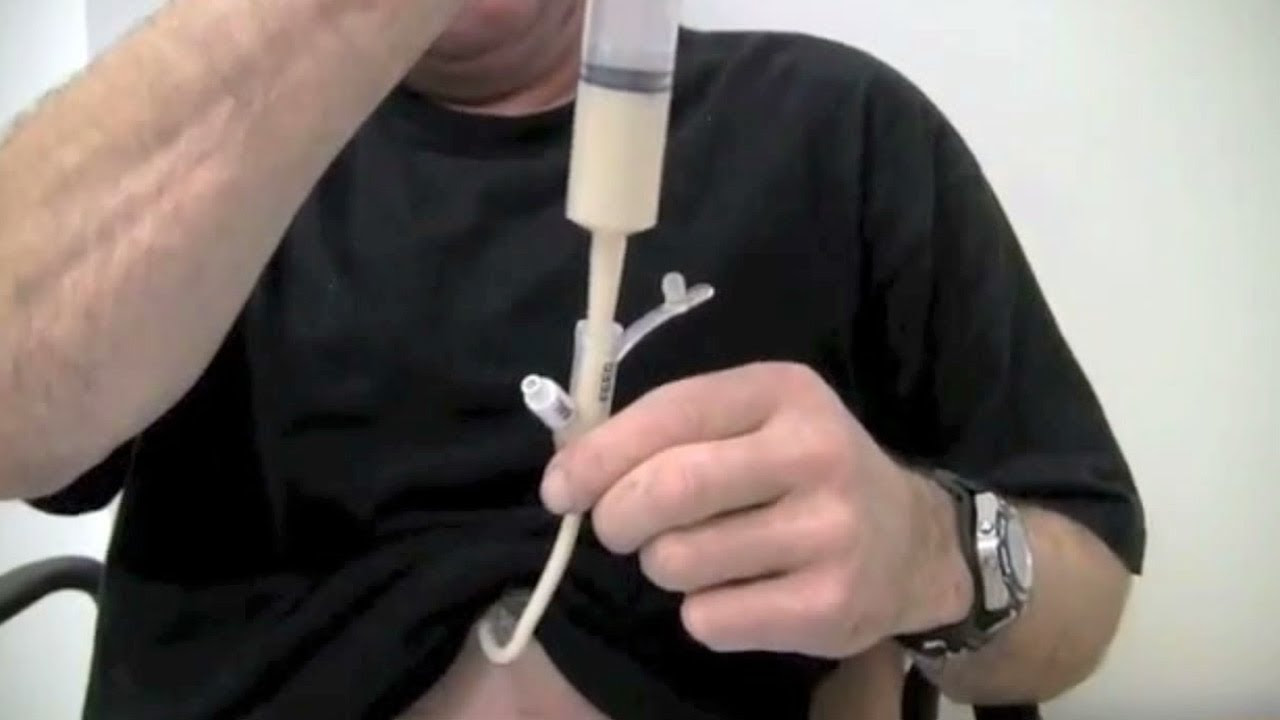
- Safe handling of PEG tubes Recognizing indications of distress or complications Communication strategies with patients
Key Components of Reliable PEG Training Programs
Curriculum Overview
A robust curriculum must include:
Anatomy and physiology pertaining to digestion. Various kinds of enteral feeding methods. Hands-on technique sessions. Assessment methods for keeping track of patient progress.Instruction Methods
Effective training approaches consist of:
- Interactive workshops Online modules Practical presentations
Skills Established Via NDIS PEG Feeding Training
Clinical Abilities Enhancement
Participants gain self-confidence in dealing with different facets related to enteral feeding, consisting of:
- Tube placement confirmation Feed prep work methods Infection control determines
Communication Abilities Development
Effective communication cultivates much better relationships between caregivers and people:

- Active paying attention Empathy in the direction of individual issues Guidance on dietary choices post-training
Best Practices in Enteral Nourishment Support
Regular Monitoring
Regularly inspecting the individual's condition helps identify potential concerns before they escalate.
Adjusting Nutritional Plans
Based on comments from continuous analyses, modifications can be made to improve nutrient distribution or address side effects.
Barriers To Efficient Implementation Of PEG Feeding
Identifying obstacles help in creating remedies customized in the direction of conquering obstacles faced by professionals carrying out PEG feeds, including:
Lack of understanding concerning offered resources. Insufficient hands-on experience. Time restrictions affecting training participation.The Future Of NDIS PEG Feeding Training
As medical care proceeds evolving, there will certainly be an increasing focus on specialized trainings such as those provided under NDIS campaigns that focus especially on enhancing patient treatment via rigorous education and learning programs in areas like enteral nourishment support.
FAQs About NDIS PEG Feeding Training
What is consisted of in the NDIS Peg feeding training?- The training consists of useful skills development, academic understanding concerning composition related to food digestion, assessment techniques for tracking individuals' responses, and hands-on method sessions.
- Typically, conclusion times vary; however most common training courses vary from eventually as much as numerous weeks relying on depth covered within topics.
- Yes! Upon effective conclusion individuals usually receive certifications recognizing their efficiency such as "Peg Feeding Certificate".
- While previous experience can be advantageous it's not necessary; several courses cater in the direction of novices in addition to more advanced professionals looking refresh existing skills!
- Absolutely! Several respectable organizations supply online modules making it much easier than ever before gain access to useful information pertaining to enteral nutrition support without geographical limitations!
6. How does peg training advantage patients obtaining care?
- Trained specialists offer safer atmospheres resulting far better general experiences leading higher quality life end results throughout shifts away standard food intake approaches where applicable!
Conclusion
Investing time into comprehensive training such as supplied by NDIS will not only improve specific ability however will certainly also substantially impact client treatment standards throughout Australia's medical care system-- eventually cultivating better wellness end results among prone populaces relying heavily upon efficient administration techniques like those called for during procedures entailing peg tubes! As we progress embracing innovations within medical fields with each other let us focus on education and learning so every specific gets optimal support throughout their journey!
This post supplies an exhaustive introduction while remaining available yet insightful-- an ideal mix suited both students excited expand perspectives within world nursing techniques together with seasoned experts desiring hone devices currently at disposal!